You've probably seen the advice before. Make the headline clear. Add social proof. Use a strong call to action. None of it is wrong. But if it were enough, every landing page would convert at 10% and we'd all be retired.
The problem is that most of this advice treats a landing page like a checklist. Add these seven elements, arrange them in this order, done. It ignores the one thing that actually determines whether someone converts or bounces: the sequence of thoughts in their head during the first five seconds.
Here's what actually happens when someone lands on your page. They don't read. Not yet. They scan. Their eyes move to the largest text first, then to the image, then to whatever has the most visual contrast.

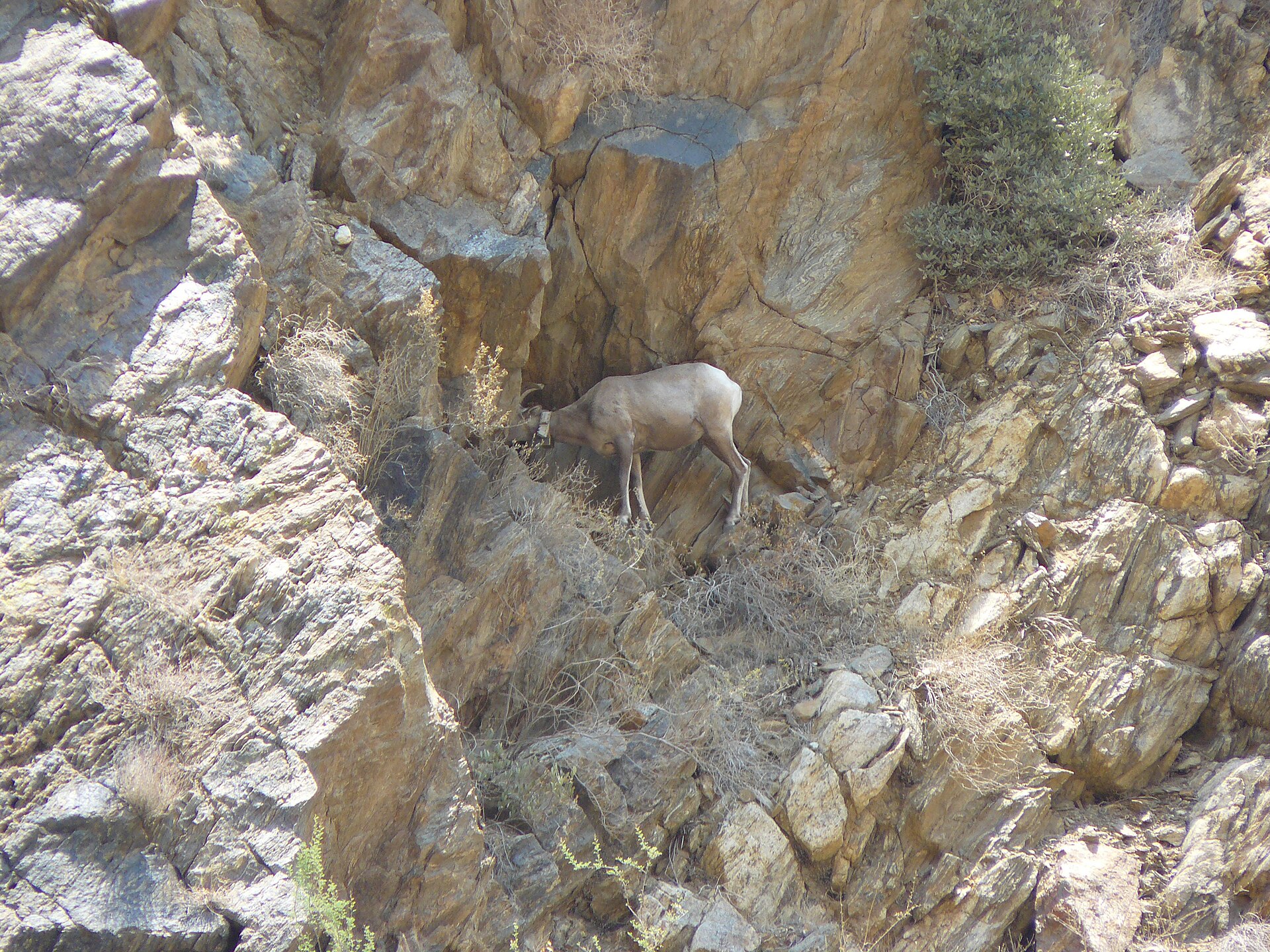
Look up at the mountains behind the house long enough and, on the right afternoon, you might see something moving on the rock that isn't a hiker. The slopes above Indian Canyons are real habitat for the Peninsular bighorn sheep — a federally endangered subspecies of desert bighorn found nowhere but these mountains and the ranges running south toward the Mexican border.
Why they come down
Bighorn are built for the high, steep terrain — it's their escape cover from predators and their shelter from the heat. But on the hottest stretches of summer, when water and forage get scarce higher up, it's a genuine, documented local phenomenon for small groups to work their way down toward the canyon floor and, occasionally, right into the edges of the Indian Canyons neighborhood itself, looking for shade, water, or a green lawn that beats anything the open desert is offering.
If you see one
Keep your distance and enjoy it quietly — these are a genuinely endangered population, protected and monitored closely by wildlife agencies and the tribe. Don't approach, don't feed them, and don't let a dog anywhere near. A sighting from the pool deck is a rare, real piece of the desert coming to you rather than the other way around — treat it like the privilege it is.