You've probably seen the advice before. Make the headline clear. Add social proof. Use a strong call to action. None of it is wrong. But if it were enough, every landing page would convert at 10% and we'd all be retired.
The problem is that most of this advice treats a landing page like a checklist. Add these seven elements, arrange them in this order, done. It ignores the one thing that actually determines whether someone converts or bounces: the sequence of thoughts in their head during the first five seconds.
Here's what actually happens when someone lands on your page. They don't read. Not yet. They scan. Their eyes move to the largest text first, then to the image, then to whatever has the most visual contrast.
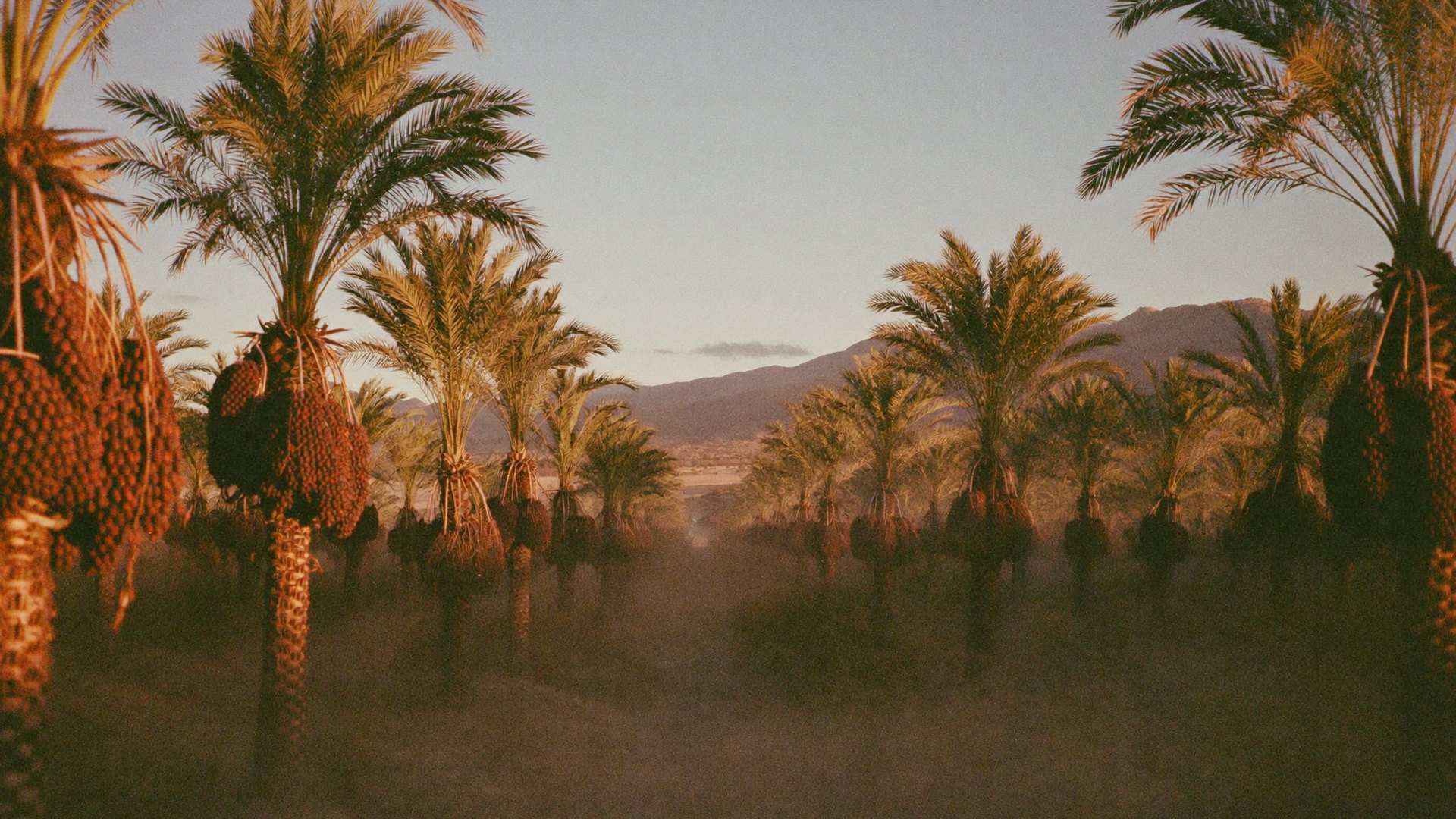
Drive east from the house toward Indio and the golf courses give way to something older: long, orderly rows of date palms, trunks wrapped and fronds tied up, stretching toward the Santa Rosa Mountains. It’s one of the strangest and most beautiful landscapes in the desert, and it explains why nearly 90 percent of the dates grown in the United States come from the Coachella Valley.
How dates came to the desert
Date palms aren’t native here. Growers began planting offshoots brought from North Africa and the Middle East in the early 1900s, betting that a valley this hot and this dry could stand in for the oases those palms came from. The bet paid off, and the valley became the heart of the American date.
The most famous chapter came in 1927, when a USDA horticulturist named Walter Swingle traveled to Morocco, where disease was wiping out the prized Medjool palms. He brought back eleven offshoots. Most accounts say nine survived, and those nine palms are the ancestors of the Medjools grown across the valley today, the big, soft, caramel-sweet dates you’ll find in every market in town.
The shake
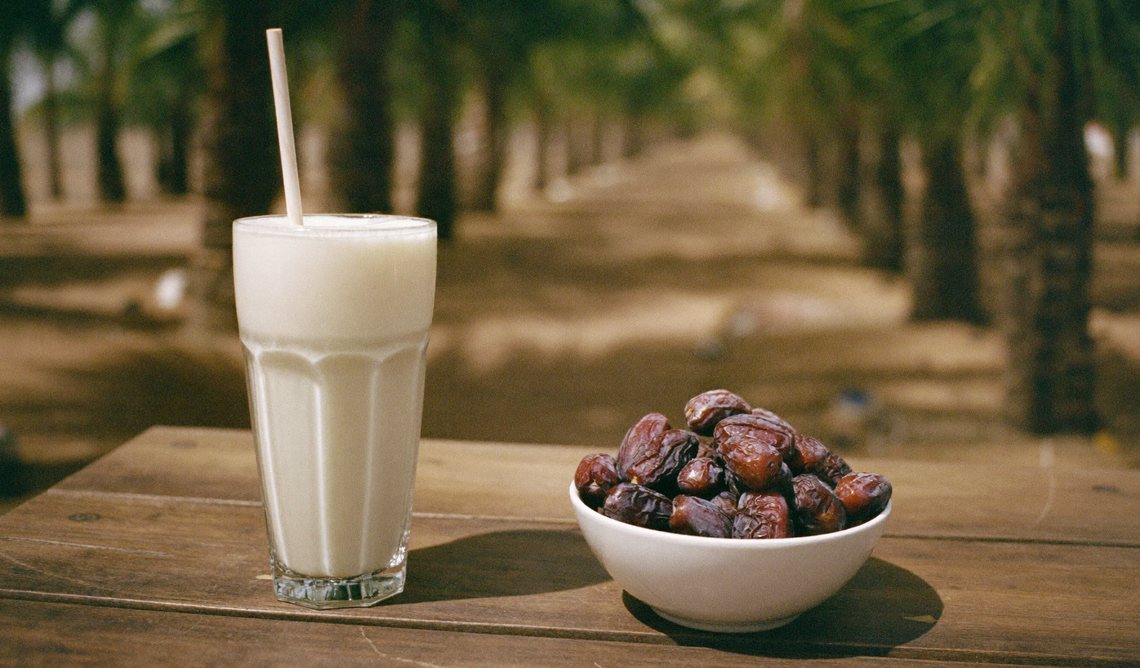
A date shake is exactly what it sounds like: dates blended with vanilla ice cream and milk into something thick, cold and tasting faintly of caramel. It’s been a roadside ritual in the valley for almost a century. Most accounts credit the Valerie Jean Date Shop near Thermal with making the first one, around 1930.
The one most people know comes from Shields Date Garden in Indio, which Floyd and Bess Shields opened in 1924. Floyd went on to develop date crystals, small dried bits of date that blend smoothly and give the Shields shake its texture. The garden still has a shop, a café and a walking path through the palms, and it’s about a half-hour drive from the house.
When to go
Any time is a good time for a shake, but February is the valley’s date season in spirit: the Riverside County Fair and National Date Festival has filled the fairgrounds in Indio every winter since 1947, with rides, live music and plenty of dates. The rest of the year, go late in the afternoon, when the light gets long between the rows of palms.
Order the original, take it outside, and walk the garden while it melts a little. Then bring a box of Medjools back to the house. They’re very good with coffee by the pool the next morning.